Breast Augmentation in San Antonio: Your Complete Guide
If you’ve spent any time searching for breast augmentation San Antonio options, you already know the problem: a hundred different opinions, pricing that ranges by thousands of dollars, and almost no clear explanation of why your options vary so much depending on which surgeon you see. This guide cuts through that noise. It covers real cost ranges, honest recovery expectations, and one incision technique that most local surgeons don’t offer, and that most patients never think to ask about. San Antonio’s market has more variation in surgeon skill and technique than most women expect. By the time you finish reading, you’ll know exactly what questions to bring to your consultation and how to tell the difference between a well-credentialed practice and one that only looks like one.
What breast augmentation options are available in San Antonio
Before you think about surgeons, think about what you actually want. The procedure category matters more than most people realize, and it shapes everything from cost to recovery to the result you can realistically expect.
Silicone vs saline implants: which one fits your goals
“A silicone rupture can be silent, with no external sign at all. That’s why the FDA recommends imaging surveillance for silicone implants, specifically an MRI starting at 3 years after placement, then every 2 years after that.”
Saline implants feel just as soft and natural as their controversial silicone counterparts, and they carry huge meaningful advantages: if a saline implant ruptures, it deflates visibly, your body absorbs the intravenous fluid they are filled with, and you know immediately. A silicone rupture can be silent, with no external sign at all. That’s why the FDA recommends imaging surveillance for silicone implants, specifically an MRI starting at 3 years after placement, then every 2 years after that.
There’s also a difference in complication rates worth knowing. FDA Core Study data puts capsular contracture at roughly 2.8% for saline and 5.0% for silicone at the two-year mark, with short-term reoperation rates at 3.4% versus 6.5% respectively. Neither number is alarming, but knowing them helps you have a real conversation with your surgeon rather than nodding along to a sales pitch. Think about your priorities: natural feel, easier rupture detection with less imaging follow-up, and biological safety.
Capsular contracture ~2.8% at two years. Short-term reoperation 3.4%.
Advantage: Ruptures deflate visibly; no imaging surveillance required.
Capsular contracture ~5.0% at two years. Short-term reoperation 6.5%.
Requires: MRI at year 3, then every 2 years per FDA guidance.
Fat transfer augmentation: who it actually makes sense for
Fat transfer uses liposuction to harvest fat from another area of your body, then injects it into the breasts. The size increase is modest, 50 to 60% of the transferred fat doesn’t survive, and you may need more than one session to reach your goal. It’s not a replacement for implants if you want a significant volume change. There are also serious concerns about mammography and cancer detection. For most San Antonio patients seeking a meaningful change in cup size, saline implants remain the standard path.
Implant sizing and profile: more than just a cup size
Implants come in different projection profiles: low, moderate, and high. New, high-profile implants can be made to look natural or projected based on the surgeon’s skill. In fact, they should have never been called high profile as it does not do the implant justice. Ask your surgeon to show you how profile interacts with your specific measurements. This is one of the most useful technical questions you can bring to a consultation.
How to vet a breast augmentation surgeon in San Antonio
San Antonio has no shortage of providers offering breast procedures. The credential landscape is genuinely confusing, and some practices bank on that confusion. Here’s how to read through it.
Board certification vs board eligibility: not the same thing
The credential that matters most is certification from the American Board of Plastic Surgery (ABPS). That certification confirms the surgeon completed an accredited plastic surgery residency after medical school, passed both written and oral board exams, and holds an unrestricted medical license with hospital admitting privileges. You can verify any surgeon’s ABPS status directly at certificationmatters.org in about 30 seconds.
Other non-legitimate cosmetic surgery boards exist with no training requirements; they’re not equivalent, and some sound similar enough to cause real confusion. The single most important check before booking a consultation: confirm ABPS certification, not board eligibility, and not a certificate from a cosmetic-specialty board that requires NO formal plastic surgery training.
What FACS and ASPS membership actually signal
Fellow of the American College of Surgeons (FACS) and membership in the American Society of Plastic Surgeons (ASPS) both require additional peer review and carry ongoing commitments to safety standards. These aren’t decorative credentials. FACS in particular signals that the surgeon’s qualifications, training, and professional conduct have been evaluated by peers, not just a self-reporting process. When you see MD, FACS on a surgeon’s profile, it’s meaningful context, not marketing filler.
Dr. Gary Lawton: a standout in San Antonio’s local market
Applying those criteria to the local market, Dr. Gary Lawton at Lawton Plastic Surgery in Stone Oak meets them across the board. He is ABPS board-certified in plastic surgery and a fully trained general surgeon and plastic surgeon, a rare combination in this new short-cut training environment. He is Yale-trained, and has 26 years of experience in plastic surgery. His before-and-after gallery is publicly viewable on RealSelf. He operates out his own Quad-A (AAAASF)-certified private surgical center, a meaningful distinction covered in the cost section below. He also performs transaxillary endoscopic dual-plane breast augmentation, a technique that requires specialized training and equipment not otherwise available in San Antonio. More on that in the next section.
The incision choice that determines visible scarring
“The transaxillary approach moves the incision entirely to the armpit — the result: no visible scar on the chest. It’s a fundamentally different outcome.”
Most patients don’t realize they have a choice here until they’ve already committed to a surgeon who only offers one option. The incision location is a permanent decision. It deserves more than two minutes of conversation.
Standard incision options and what scarring to expect
Three incision sites are commonly used for breast augmentation. The inframammary approach places the incision in the natural fold under the breast. The periareolar approach runs along the lower edge of the areola. Both leave a scar on the breast. For most patients, these scars are visible at a long distance, and they’re permanent.
The transaxillary endoscopic approach: no scar on the chest
The transaxillary approach moves the incision entirely to the armpit. An endoscope guides the surgeon’s view as the implant is placed through a small underarm incision, creating a dual-plane pocket with no incision anywhere on the breast or chest wall. The result: no visible scar on the chest. It’s a fundamentally different outcome. Because the technique requires specialized training and equipment, availability in San Antonio is unique to Dr. Lawton. It’s not a matter of preference between surgeons; for almost all practices, it simply isn’t an option they can perform.
Why this technique is rare and what it takes to offer it
The endoscopic transaxillary approach requires specialized training and equipment that many practices never invest in acquiring. It’s technically more demanding than a standard inframammary incision, and the learning curve is real. Because it’s less commonly offered, many patients are never told this option exists, not because it isn’t right for them, but because their surgeon isn’t trained in it. Knowing this before you choose a surgeon changes your list of questions significantly.
What breast augmentation costs in San Antonio
Pricing transparency is rare in cosmetic surgery. Here’s the honest breakdown of what you’re actually paying for and what to watch out for.
Breaking down the total fee
The typical total out-of-pocket range for breast augmentation in San Antonio is roughly $7,750 to $14,800. That number includes all four cost components: surgeon fee, board certified anesthesia fee, facility fee, and implants. When a practice quotes you a price, ask specifically whether that’s the all-in number or the surgeon fee alone. A quote of $4,500 sounds reasonable until you learn it excludes the facility, anesthesia, and implants, which can more than double the figure. Compare quotes only when you’re comparing the same components.
Financing options San Antonio patients actually use
Cosmetic breast augmentation is not covered by insurance. Payment options that are commonly available include CareCredit, ALPHAEON, Cherry, and PatientFi for third-party financing. Promotional no-interest periods typically run 6 to 24 months through third-party lenders; longer-term fixed monthly financing can extend to 36 to 60 months. Lawton Plastic Surgery offers financing options to make procedures more accessible for patients who need flexibility.
Why the lowest quote deserves the most scrutiny
A quote significantly below the realistic cost range isn’t necessarily a deal. Facility fees at an AAAASF-certified operating room commonly range from $2,000 to $4,000. If a total quote falls below $7,750, it’s worth asking specifically about facility accreditation and whether a board-certified anesthesiologist is included, or whether a less-credentialed provider is handling sedation. This isn’t about fear; it’s about knowing what you’re comparing when you line up estimates side by side.
Recovery timeline: what to realistically expect
Recovery after breast augmentation follows a predictable arc. Knowing the timeline in advance lets you plan your schedule and manage your expectations, especially during the first few weeks when results don’t yet look like results.
Days 1–3
Most uncomfortable window. Swelling, tightness, soreness peak early. Help at home for at least 48 hours.
Weeks 1–6
Desk jobs typically resume day 7–10. Workouts and heavy lifting stay restricted.
Months 3–6
Implants settle gradually into final position as swelling fades.
The first 72 hours and what to have ready at home
The first three days are typically the most uncomfortable. Swelling, tightness, and soreness peak early. Before your procedure, set up your recovery space with prescribed medications, and have help at home for at least the first 48 hours. You’ll want to be able to rest without problem-solving.
Weeks 1 through 6: activity milestones to plan around
Most patients with desk jobs return to light work somewhere between day 7 and day 10. During weeks 1 through 4, light daily activity resumes, but workouts and heavy lifting stay restricted. At 6 to 8 weeks, most patients receive surgical clearance for vigorous exercise, including upper-body training. If you have a physically demanding job or a workout routine that’s central to your schedule, build your surgery date around these milestones rather than assuming recovery will move faster than average.
When the final result actually appears
Implants don’t settle immediately. The process called “drop and fluff” happens gradually over 3 to 6 months as swelling fades and the implants descend into their final position. What you see at week two looks meaningfully different from what you see at month four. Managing this expectation early prevents unnecessary anxiety during the in-between phase, when breasts often sit high and firm before softening into a natural shape.
Questions to bring to your consultation
A good consultation is a two-way conversation. These questions help you gather the information you need while also signaling to the surgeon that you’ve done your homework.
8 questions that separate confident patients from uncertain ones
- Are you certified by the American Board of Plastic Surgery?
- How many breast augmentations do you perform per year?
- Do you offer transaxillary endoscopic augmentation?
- Is your facility AAAASF-certified?
- Who administers anesthesia, and what are their credentials?
- Can I see a before-and-after gallery specific to my body type and implant preference?
- What does my total quoted fee include?
- What is your revision policy if I’m unhappy with the outcome?
What to watch for in how a surgeon responds
A board-certified surgeon with real experience welcomes every one of these questions. Hesitation on credential questions, vague answers about who performs anesthesia, or any pressure to make a decision are signals worth taking seriously. A good consultation should feel informative and unhurried. Look for a practice where consultations are built around your specific goals, with no pressure to commit on the spot, that’s the standard worth expecting from any surgeon on your shortlist.
Make your decision from a position of clarity
The right outcome from breast augmentation in San Antonio starts with decisions made long before you enter the operating room. It starts with a surgeon who holds genuine credentials, a facility that meets accreditation standards, and a conversation where you understand every option available to you, including the ones most practices don’t mention.
The transaxillary endoscopic technique is available at Lawton Plastic Surgery. Many women don’t find out about it until they specifically ask, which is exactly the kind of thing you now know to ask. Real costs fall in the $7,750 to $14,800 range when you include all four components. Recovery follows a clear timeline. Dr. Gary Lawton’s team at Lawton Plastic Surgery in Stone Oak offers personalized consultations for patients throughout San Antonio and across South Texas. If you’re ready to have the right conversation with a Yale-trained, board-certified surgeon who performs techniques many local practices don’t offer, that’s the place to start.
For related reading, our breast augmentation consultation checklist walks through what to prepare before your visit, post-op care for breast implants covers the clinical recovery protocols in detail, and how safe are private surgical centers explains what AAAASF accreditation actually requires.
The right conversation starts with a surgeon who welcomes every one of the eight questions above.
About the Author
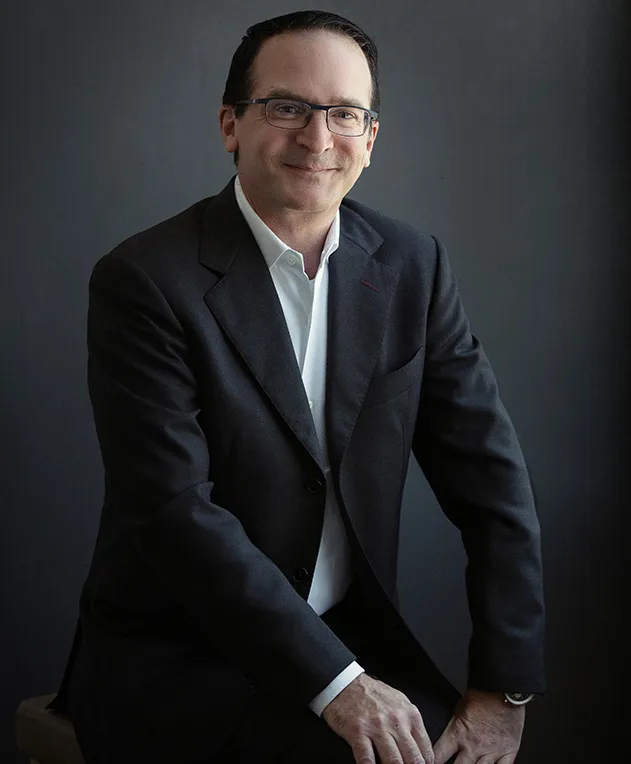
Gary P. Lawton, MD, FACS is a board-certified plastic surgeon in San Antonio, Texas, recognized for his specialization in advanced cosmetic surgery of the breast and body. With more than 25 years of focused clinical experience, he has built a reputation for delivering refined, natural-looking outcomes through surgical precision, scientific rigor, and a personalized approach to care.
Dr. Lawton’s academic foundation reflects a rare combination of engineering discipline and surgical excellence. He graduated summa cum laude with a Bachelor of Science in Chemical Engineering, ranking at the top of his class and earning induction into multiple national honor societies. He went on to earn his medical degree, where he was distinguished as a Senior Scholar in Surgery. He completed a rigorous 10-year surgical training program at Yale University School of Medicine, including residencies in both general surgery and plastic and reconstructive surgery, where he served as Chief Resident.
Dr. Lawton focuses exclusively on cosmetic procedures of the breast and body, including breast augmentation, implant revision, liposuction, and abdominoplasty. He is a national authority in transaxillary endoscopic dual-plane breast augmentation, a technique designed to optimize precision, minimize visible scarring, and enhance recovery.
Disclaimer
All content on this website is provided for informational and educational purposes only. It is not intended as medical advice, diagnosis, or treatment, and should not replace consultation with a qualified healthcare professional. No doctor–patient relationship is established through use of this website. Medical care is individualized; information here may not apply to your specific condition. Surgical outcomes vary by patient. Any before-and-after images represent individual cases and do not reflect typical results.